

As harvest deliveries build, reception schedules and the treatment of each load can affect the quality of the oil a mill has available to sell.
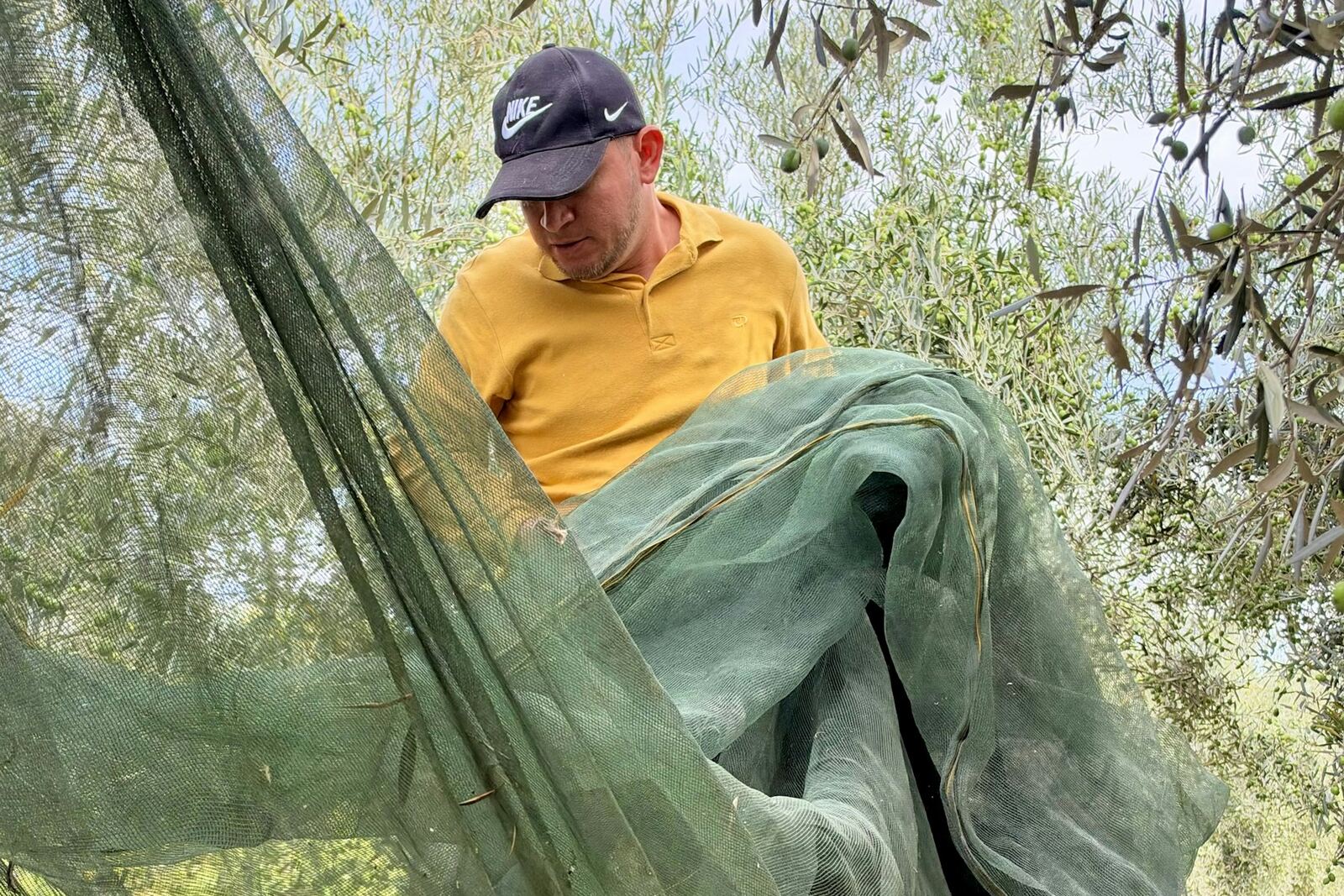
Harvesting olives for milling. Illustrative photograph: John Cameron / Unsplash.
Spain's first official forecast put this season's olive oil production at about 1.6 million tonnes, 23% above the previous campaign. A busy harvest gives mills more work, but also concentrates decisions about which fruit to process first and how long each delivery can wait.
An extraction line's hourly capacity describes what it can handle once olives reach it. Quality also depends on the interval before that point, including the time spent getting fruit from the grove to reception. Buying a faster line will have limited value if deliveries arrive in surges that leave it with a backlog of deteriorating fruit.
The delay begins before reception
UC Davis guidance identifies high temperature and poor ventilation as factors that encourage fermentation while olives wait. Damaged fruit is particularly vulnerable. The guidance says these factors become critical when processing follows harvest by more than four hours. That is a warning about handling conditions, rather than a universal deadline at which every delivery loses its grade.
A ticket stamped at reception captures only part of that interval. Fruit picked early in the morning may already have spent hours in transport before joining a mill's queue. Recording when harvesting began gives the mill a more useful basis for deciding how urgently the delivery needs processing.
The condition of fruit after washing also deserves attention. A 2015 study by Stefania Vichi and colleagues found that closed-loop washing could introduce microbiological cross-contamination and that subsequent short-term storage reduced positive sensory attributes. Researchers at the University of Zaragoza, studying the Aragonese Racimilla variety, likewise found deterioration in chemical and nutritional quality as processing was delayed. These findings support treating reception and temporary storage as part of production control.
A larger machine may leave the bottleneck intact
At an illustrative processing rate of five tonnes an hour, 30 tonnes already ahead of a delivery represents six hours of work.
That calculation assumes the line maintains its rate throughout. Cleaning or a stoppage extends the interval, and keeping selected lots separate can reduce the amount processed in a shift. Reception staff need a usable estimate of the work ahead, rather than a promise based on the machine's nominal capacity.
Delivery windows can spread arrivals, although growers also have to work around weather and contractor availability. The schedule needs to be agreed before harvesting starts. If a selected lot is given priority, the reason and the eligibility rules should be clear to the growers waiting behind it.
A larger line becomes easier to justify when those records show a persistent processing constraint. If the backlog instead comes from concentrated arrivals or repeated changes between lots, reception scheduling and the organisation of shifts deserve attention first.
Moura makes the handling commitment explicit
The DGADR entry for Azeite de Moura DOP identifies Cooperativa Agrícola de Moura e Barrancos as its producer group. Its production method calls for ventilated transport containers and milling within 48 hours of harvest. It also limits storage after cleaning and washing to 24 hours. Those are requirements for that protected product.
The same entry requires olives to be separated by provenance, variety and quality. That makes reception part of delivering a defined oil, with handling obligations that continue after the grower has left the yard.
A mill buying fruit for a higher-value programme needs to explain how deliveries will be assessed and paid for. Preserving a sound lot can require capacity that could otherwise process other growers' fruit. The purchasing arrangement has to make that commitment worthwhile on both sides.
Record the interval before adding capacity
A delivery can remain saleable while losing the sensory characteristics needed for its intended market. Average acidity and extraction yield alone will give an incomplete account of that outcome.
Connecting the harvesting and arrival times to the start of milling and the resulting oil lot makes recurring delays easier to investigate. Fruit condition and variety still need to be recorded, so that a quality difference is not automatically blamed on waiting.
Start with that record for each delivery. Compare the longest delays with the oil those lots produced, then decide whether the next investment belongs in reception, scheduling or the extraction line.
Related reading: The Mills Below the Line and The Economics of Early Harvest.