In July, Dcoop put certified oil at 53% of its extra virgin output. The Spanish group and its US partner Pompeian have made certification central to their joint plans.
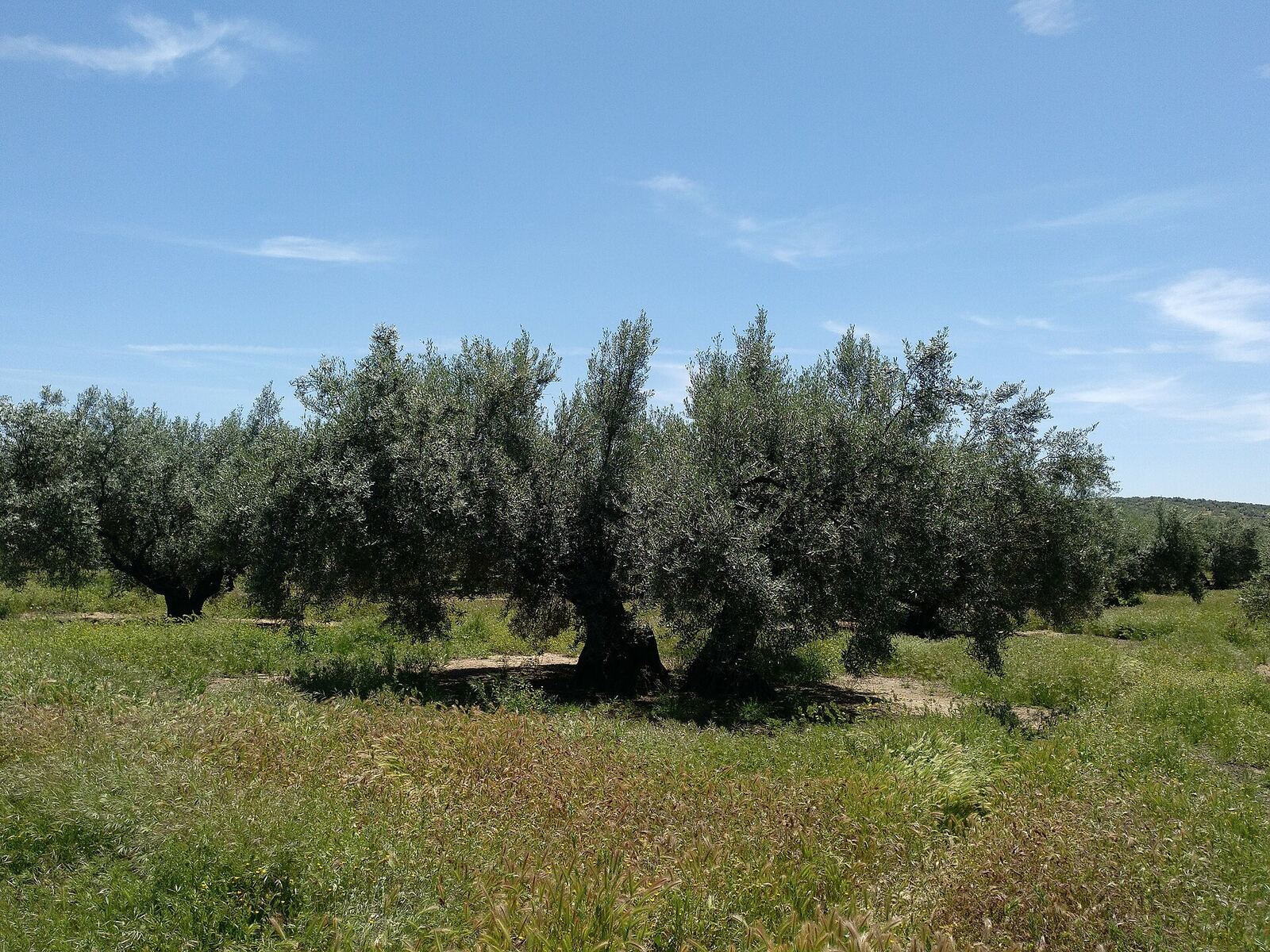
Olive groves in Martos, Jaén, Spain. Archive photograph. Photo by Alifates / Wikimedia Commons, CC BY-SA 4.0.

In July, Dcoop said oil from 33 of its cooperatives had come under the Sustainably Grown certification run by SCS Global Services. The figure covered more than 59.4 million kilos of extra virgin olive oil, equivalent to 53% of Dcoop’s production in that grade in the previous campaign. Cooperatives in Martos and Mancha Real, both in Jaén, were among those added that summer. So were Espejo in Córdoba and Teba in Málaga. Dcoop’s July figures, reported by Europa Press
Dcoop won the Best Sustainable Farm award at November’s AgriTech Innovation Awards. The group’s announcement described a project involving 45 cooperatives, about 30,000 growers and more than 120,000 hectares, a wider measure of participation than July’s 33 certified cooperatives. Dcoop’s award announcement · Expo AgriTech
From the first audits to 33 cooperatives
The project began in 2022. SCS announced the first nine certifications in June 2024, and Dcoop’s 2025 sustainability report recorded 26 certified cooperatives. The same report puts certified olives at 43% of the group’s 2024/25 olive tonnage. That share uses fruit weight. The amount of certified extra virgin oil available to a bottler also depends on oil yield and grade. SCS’s 2024 announcement · Dcoop’s sustainability report, p. 114
SCS describes how Dcoop organised the work for the first nine. Staff from Dcoop and the cooperatives helped growers apply the standard and checked their practices before certification. The group’s annual report lists field records and traceability among the technical services Dcoop provides to its member cooperatives. That puts some of the work of preparing audit evidence within services the group already offers. SCS on the first audits · Dcoop’s sustainability report
What the standard asks of a grove
SCS requires irrigated farms to record how much water they use and how much is available from each source. Under the 2025 version of the standard, farms must review changes in those figures every year and use metering where that is regional best practice. The separate soil criteria require an assessment of erosion risk and measures such as cover crops or runoff controls, depending on the site. SCS-001, sections 3.2 and 3.3
Where water use has risen or supplies have fallen, the standard requires measures to limit the impact on the farm and its surroundings. An irrigated grove may draw more water during a dry year. To quantify what the programme changes, an assessment would need irrigation records from comparable growing seasons and an account of which practices changed.
Following Pompeian’s claim through the mill
Pompeian and Dcoop said in 2023 that certification would be central to their alliance. SCS described a plan covering Dcoop’s grower cooperatives and facilities for storage and packaging in Spain and the United States. The same announcement pointed to oil from Pompeian’s Sunrise Olive Ranch in Arizona, which already carried the label. SCS on the partnership
The current SCS standard requires producers to trace a crop through the processing and storage they control. When the pack carries the certification claim, that evidence must reach the finished product. A cooperative mill can receive olives from farms at different stages of the programme. To sell oil under the label, it must link the oil it offers to eligible deliveries through storage and make the records available to the certifier. Pompeian can use those records to identify the lots available in the grade and delivery window it needs. SCS-001, section 2.3
The next round of audits
When SCS announced the first certifications, it put Dcoop’s target at around 15 to 20 additional cooperatives a year and 100 by 2029. SCS’s 2024 announcement
July’s additions included a cooperative in Malagón, Ciudad Real, outside Andalusia. The additional mills widen the supply of oil Dcoop can offer under the programme. The checks extend to the growers who deliver their olives to those mills. Dcoop’s July plan was to submit production from 44 cooperative mills and their members’ farms for audit in the next campaign. Dcoop’s July announcement