

Lower prices can bring consumers back to olive oil while making the next planting harder to justify. The effect on supply may take years to appear.
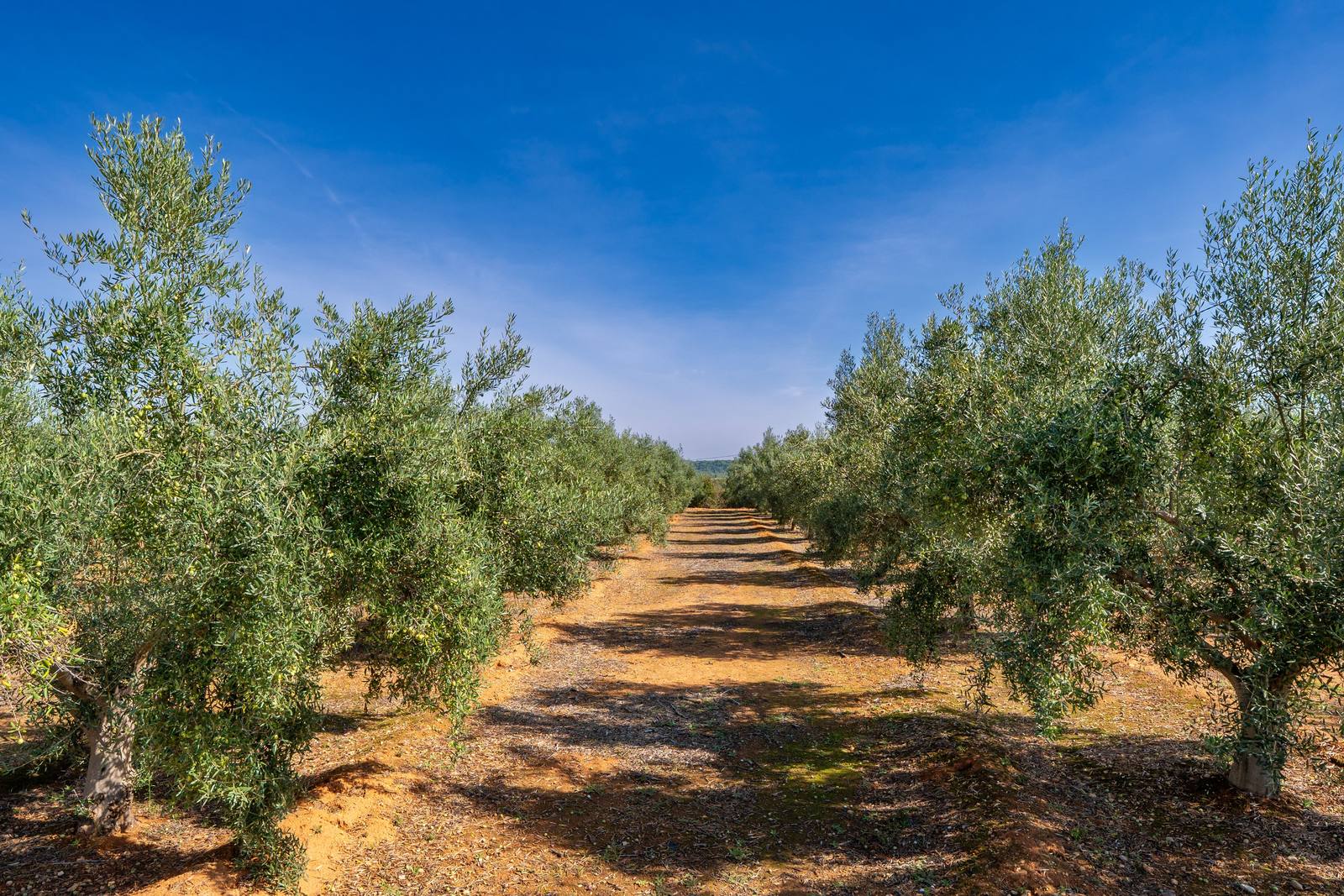
Photo: Emilio Sánchez Hernández / Pexels
Cheaper olive oil gives a sector trying to recover consumption something it badly needs: a reason for households to buy more again. Retailers can offer more attractive promotions, bottlers can replenish stocks at a lower cost, and consumers who moved towards other oils have an incentive to return. After a period in which high prices drove people away, more affordable bottles offer a way to rebuild demand.
For growers, the benefit is less straightforward. A farm can sell its entire harvest and still earn too little to justify planting another block or improving its irrigation. Postponing that work has little effect on this season's output, because the existing trees keep producing.
Why the harvest can hide weaker investment
An established grove does not stop producing as soon as prices fall. The trees are already planted and much of the initial expense has been paid. Harvesting may still be worthwhile if the crop covers the cost of picking and processing, even when the return leaves little for replacing equipment or recovering the original investment. A grower may therefore carry on producing while becoming increasingly reluctant to commit more money to the business.
Renewal and expansion are easier to postpone. An ageing block stays in place for another year; an irrigation project waits. Those decisions are rarely visible in a campaign's production total.
Some savings come from better organisation and do no harm to the orchard. Repeatedly deferring necessary care has different consequences: over time, it can weaken yields and leave a grove less worth harvesting. Even then, the deterioration may be difficult to see in national figures.
Young orchards planted in more profitable years may still be moving towards full production. Good weather can lift yields elsewhere, while efficient, mechanised farms keep expanding at prices that leave little return on holdings that depend more heavily on labour. A grower with secure water, affordable finance and confidence in future demand may still see a reason to plant. If that expansion delivers more oil than is lost elsewhere, total supply can keep growing, with a greater share coming from businesses able to operate at lower cost. Pressure on individual farms does not necessarily mean the industry is heading towards a shortage.
The wait for new supply
In other commodity markets, investment can turn well before production does. The US Energy Information Administration's 2015 analysis of low crude prices described how sustained weakness could reduce spending on exploration and production, even as existing fields and projects already under development continued supplying the market. Output from earlier investment can conceal the effect of decisions being made today.
Mining shows how long that delay can become. The International Energy Agency found that major mines entering production between 2010 and 2019 took more than 16 years on average to get from discovery to first output.
Olive growers work on a shorter timetable, measured in several seasons. A 2016 University of California cost study for a Sacramento Valley hedgerow orchard assumes a commercial crop in the third year and maximum yield in the fifth. Those timings are specific to that orchard model; climate, variety and management affect the result. A rise in prices can change the decision to plant almost immediately, while the additional oil arrives years later. Extra milling capacity cannot close that gap: it can process more olives when they arrive, but it cannot bring a new grove into full production any sooner.
How much consumption comes back?
Lower prices also give the industry a chance to recover sales lost when olive oil became expensive. The European Commission's Agricultural Outlook for 2025–2035 describes how high prices dampened consumption, particularly outside Mediterranean markets, and encouraged substitution towards cheaper oils. Recovering some of those purchases would give producers a wider market for their oil and help absorb larger crops.
The pace will depend on what shoppers actually pay. A fall in prices at origin has to reach supermarket shelves, and habits formed while olive oil was expensive may take longer to reverse.
For farms that can earn enough to invest at lower selling prices, stronger consumption can support further expansion. The Commission's outlook itself projects continued production growth in Spain and Portugal as more intensive systems develop. That provides a reason to be careful about predicting a future shortage simply because prices have fallen. Where productivity gains leave enough return to renew orchards and plant new ones, affordable oil can support both a larger market and a growing supply.
What buyers need to watch
The concern is a longer period in which weak returns discourage both the renewal of existing groves and the projects expected to supply future demand. Expansion by efficient farms can compensate for losses elsewhere, but suitable land, water and finance place limits on how far and how quickly it can go. A slowdown in planting across those farms as well would leave less new production to replace the losses.
A recovering market would then be relying more heavily on orchards already in the ground. A poor harvest or tighter water availability could expose the gap. Weather might cause the immediate loss of oil, while years of weak investment help explain why the industry has so little room to compensate.
For buyers, planting, orchard renewal and access to finance deserve attention alongside stocks and consumption. A few cancelled projects reveal little while large areas of young groves are still coming into production. A broader slowdown lasting several years would carry more weight, particularly if consumption were recovering at the same time.
The difficulty is that the market gets its clearest evidence late. By the time weaker investment starts to show up in harvest figures, several planting seasons may already have been lost.