

Lower prices can bring consumers back and force businesses to become more productive. The experience of petroleum and wine shows why neither outcome is enough unless the industry can also finance its future.
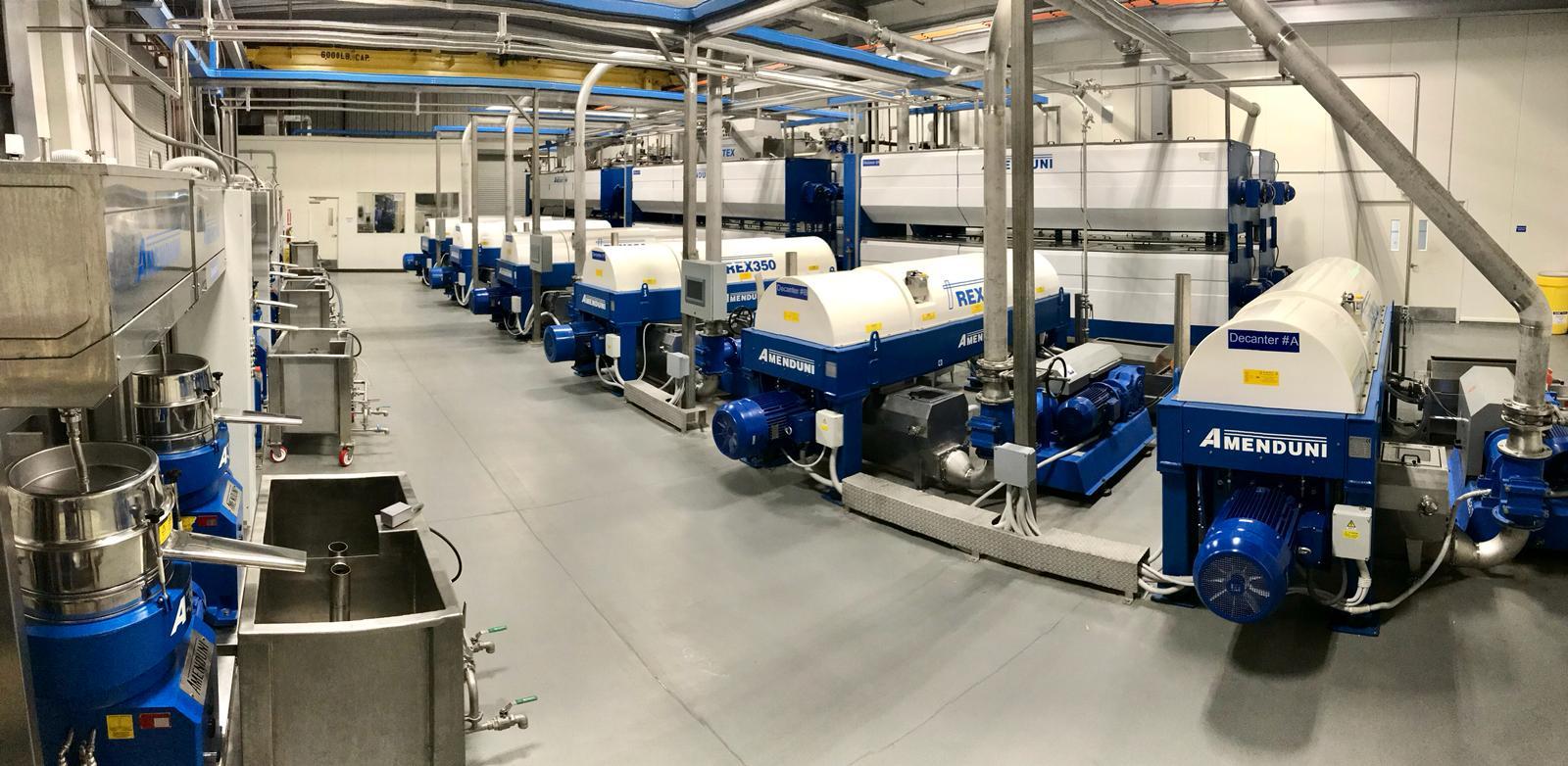
Photo: Amenduni, via Wikimedia Commons, CC BY-SA 4.0

Lower olive oil prices are returning to a sector whose costs have moved in the opposite direction. Growers still have to find and pay harvesting crews, maintain machinery and meet their energy bills. Mills have equipment to service and employees to retain, while businesses that borrow to finance the campaign must pay interest before all their oil has been sold. A reduction in the value of the crop can arrive much faster than any adjustment in those commitments. The price may look familiar from earlier years; the business operating behind it has changed.
The gap is visible in Spain. AEMO's updated 2026 study estimates that olive-growing production costs have risen by approximately 57% since 2020. Its modelled costs range from 3.08€ per kilogram of oil for irrigated hedgerow cultivation to 5.31€ for traditional, non-mechanisable rainfed groves, with mechanisable traditional rainfed cultivation at 4.67€. These figures include operating expenses, depreciation and the opportunity cost of land. They describe different production systems under the study's assumptions, rather than a single threshold applying to every grower. Meanwhile, on 16 October, Olimerca reported offers for extra virgin oil from the previous campaign at 3.25–3.30€ per kilogram, with little trading. New-season and premium oils were attracting different asking prices. That is not a uniform market, but it is one in which the economics of production vary far more than a headline price can convey.
A business can keep operating under these conditions for longer than its full costs would suggest. An owner with little debt may pay the campaign's immediate bills and continue using machinery bought years earlier. Family work may receive little explicit remuneration, and replacement investment can be postponed. Continuing to harvest can be reasonable when the proceeds cover the additional expense of doing so. Over several years, however, the business also has to replace what wears out and offer a return that justifies keeping capital committed to it. Meeting this season's payments and earning enough to finance the next decade are different tests.