

Spanish olive oil prices are continuing to weaken, and growing imports from Tunisia are now being drawn into the debate over what is pushing the market lower.
OliveA Tradición y Progreso, an organisation representing traditional olive growers, says large operators are increasingly turning to imported Tunisian oil instead of buying from Spanish mills. In its view, this is reducing demand for domestic stocks and giving buyers more room to delay purchases and negotiate lower prices.
Much of the oil enters Spain through the inward processing regime, which allows companies to import without paying customs duties as long as the product is later re-exported. The system is legal and has long been used by processors to meet international contracts, but OliveA argues that it is no longer being used only when Spanish supply is insufficient.
Imports from Tunisia have risen sharply in recent years. According to the organisation, they are now around 85% higher than in 2016, with an annual average of roughly 123,000 tonnes. By the end of June, Spain had already imported around 202,000 tonnes of olive oil from all origins, close to the 220,000 tonnes expected for the entire marketing year.
That increase has come at a difficult moment for producers. Sales from Spanish mills have slowed over the past two months, while origin prices have continued to fall. OliveA believes imported supply is allowing large buyers to remain out of the domestic market for longer, leaving cooperatives and private mills to compete more aggressively for demand.
Tunisian oil is unlikely to be the only reason behind the decline. Expectations surrounding the next harvest, existing stock levels and cautious purchasing are also weighing on the market. Even so, access to foreign oil gives buyers another option at a time when many producers are already under pressure to sell.
The dispute has become more sensitive because current prices are below the estimated production costs of much of Spain's traditional olive sector. OliveA cites costs of between €4.18 and €5.31 per kilogram of olive oil, depending on the type of grove, well above current origin prices in many cases.
The organisation is calling for stronger enforcement of Spain's Food Chain Law and greater coordination between growers, cooperatives and mills. It argues that producers still control a significant share of available stocks, but weaken their own position by selling in a fragmented and increasingly competitive market.
Spain will continue to import olive oil as part of its role as the world's largest producer and exporter. The real question is whether those imports are simply helping the industry meet international demand or whether they are also being used to increase pressure on domestic suppliers.
For traditional growers already selling below cost, that distinction is becoming increasingly important.
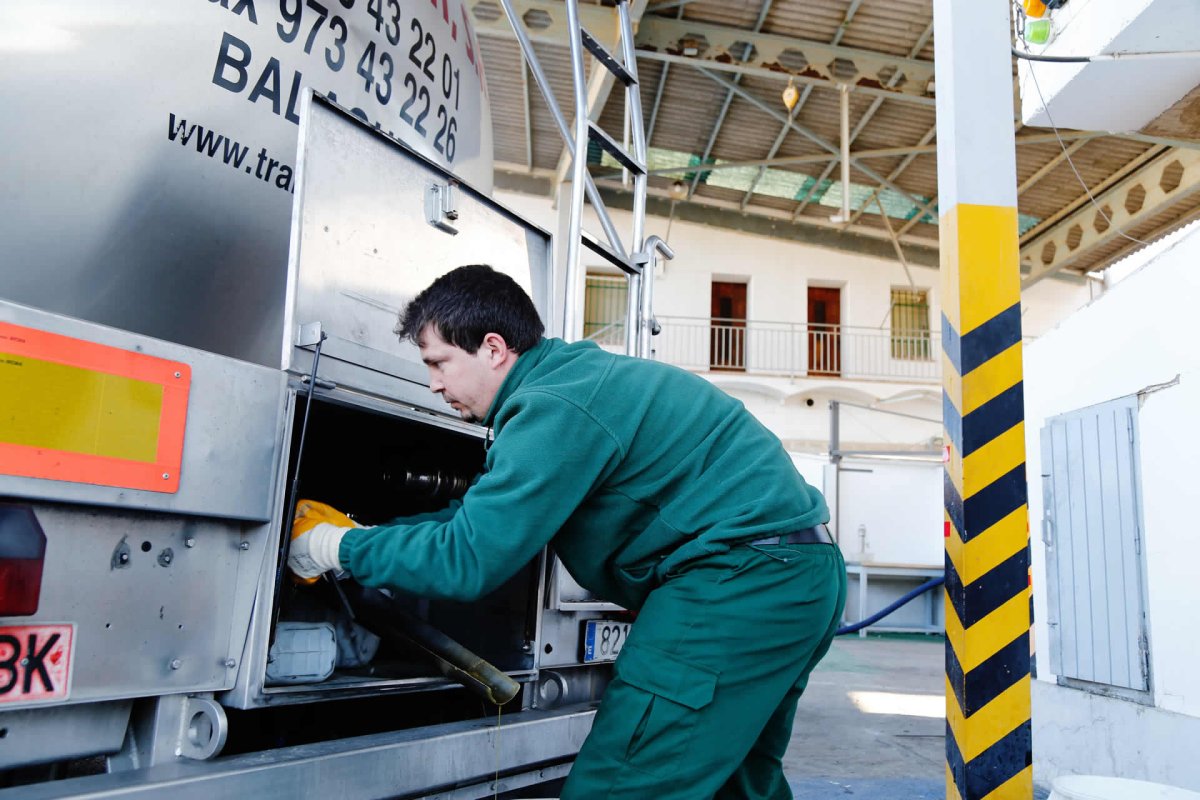
Photo: Nortoliva