

Buyers can often wait. Sellers frequently cannot. That structural asymmetry shapes olive oil prices as much as any supply-and-demand balance.
Why sellers cannot wait
The imbalance between buyers and sellers is not simply a question of negotiating skill; in many cases it is built into the economics of the campaign itself. A large bottler can decide that the market is too expensive and postpone a purchase. If its inventories are comfortable, it may wait several weeks, switch origin or reduce its exposure until prices become more attractive. A cooperative or mill does not always have the same freedom.
During the campaign, oil accumulates in storage while financial obligations accumulate alongside it. Cooperatives eventually have to settle with their members, private mills may still owe farmers for olives or oil already purchased, and both carry wages, energy, financing and operating costs that must be paid regardless of market conditions. This creates a natural need to convert part of the oil sitting in the tanks into cash.
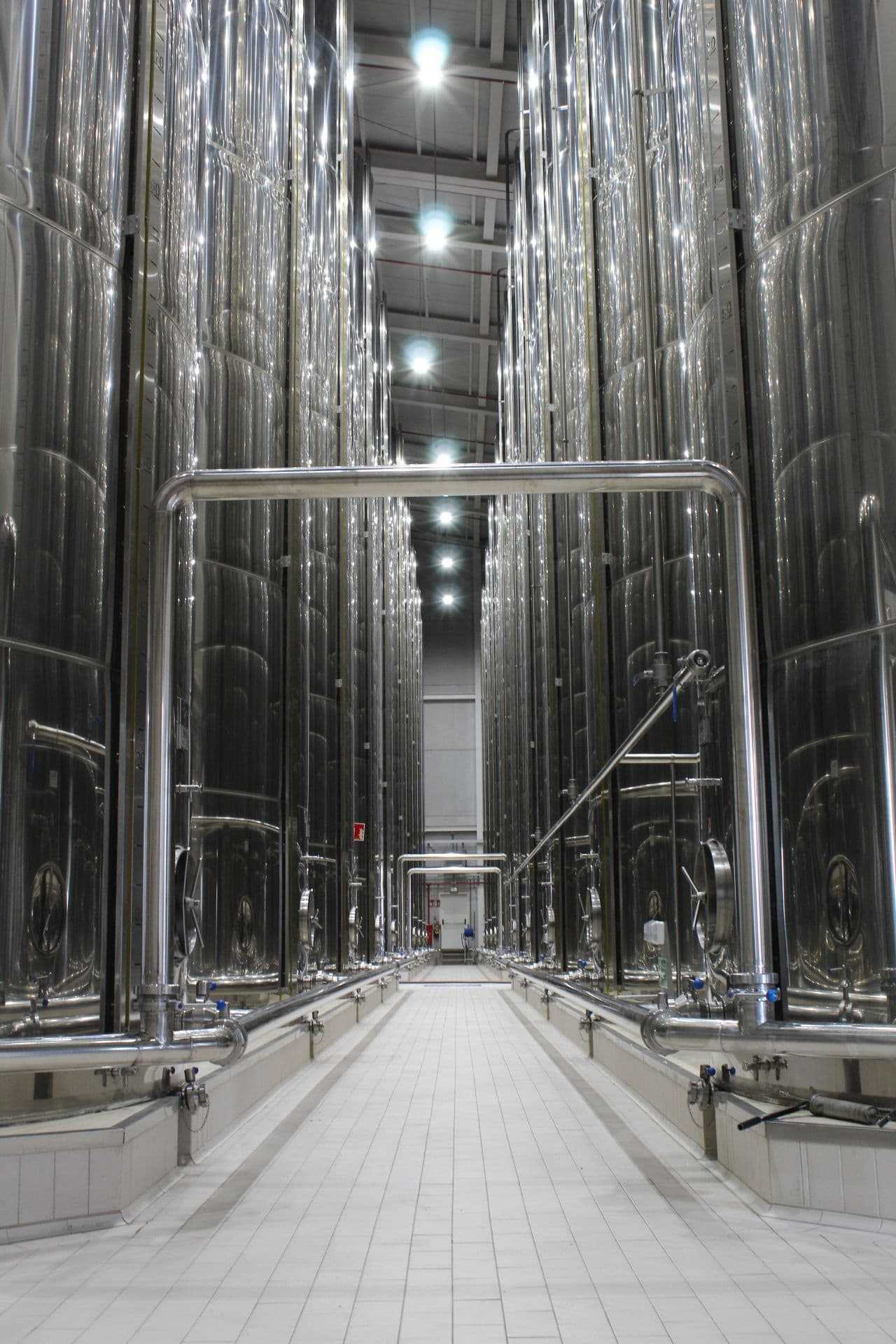
Storage itself becomes an additional constraint as the next harvest approaches. Tanks are finite, and a mill that enters a new campaign with a significant share of the previous crop still in storage needs to create physical capacity before fresh oil begins arriving. A seller holding oil in June may feel no immediate pressure to accept a weak offer, but the same seller looking at those tanks in September, with the new crop approaching and limited empty capacity, is making a very different calculation.
This is one reason selling pressure can emerge even when producers believe the prevailing price is too low. The decision is rarely a clean choice between selling today and selling later at a better price; more often it is a choice between accepting the available market, borrowing more money, delaying payments, or entering the next campaign with tanks still to be emptied. For cooperatives the pressure is particularly visible, because the decision affects a large number of members who want to know when their crop will be settled and at what value. Holding oil for longer may produce a better result, but it also postpones cash distributions and leaves the cooperative exposed if prices fall further.
The result is a structural asymmetry. Buyers can often wait because waiting is part of their purchasing strategy, while sellers sometimes have to sell because selling is what keeps the physical and financial machinery of the campaign moving. It also helps explain why the approach of a new harvest can weaken sellers' negotiating position before a single new olive has been crushed: expectations of additional supply matter, but so does the more immediate fact that the industry needs somewhere to put it. A cooperative approaching October with full tanks does not experience the market in the same way as a bottler approaching October with comfortable stocks and several origins available.
Commercial discipline
This is where commercial discipline becomes more important than trying to predict whether prices will rise or fall. For a cooperative or mill, the relevant question is not just whether today's price is attractive, but how much oil needs to be sold during the campaign, how much cash will be required to settle with farmers and members, how much storage capacity must be free before the next harvest, and how much inventory the business can financially afford to carry. Those decisions are considerably easier to make before the market comes under pressure.
A cooperative that enters the summer knowing a certain proportion of its oil must be sold before the new campaign can spread those sales over time and negotiate from a position of relative calm. If it waits until the tanks need to be cleared urgently, the buyer on the other side of the table is likely to understand that urgency as well. None of this means oil should automatically be sold earlier, or that holding stocks is a mistake; sometimes waiting is highly profitable. The important distinction is between choosing to hold oil and being forced to hold it for lack of a commercial plan, just as there is a difference between choosing to sell and being forced to sell because payments are due or storage has run out.
This dynamic is also why a falling market can become self-reinforcing. As the new campaign approaches, several cooperatives may face similar pressures at roughly the same time: one needs liquidity, another wants to settle with members, a third needs empty tanks. Their decisions are independent, but the combined result can be a sudden increase in the willingness to sell. Buyers see more offers, become less aggressive and lower their bids, and a lower transaction is eventually printed. That new reference makes other sellers more nervous, particularly those facing the same deadlines, and some accept the next lower bid. The process requires no coordination on either side; it emerges naturally from the structure of the market.
This is why understanding olive oil pricing requires looking beyond production and consumption to the physical calendar of the industry. Olives arrive every year, tanks have limited capacity, and farmers eventually need to be paid, realities that can influence the price long before they appear in any supply-and-demand balance.